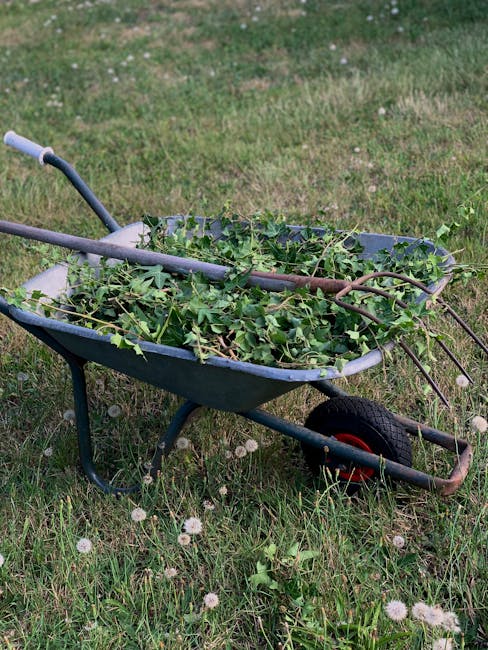
What to know about Barnet council green waste for gardeners
If you garden in Barnet, green waste can become one of those surprisingly important little admin jobs that either keeps a plot tidy or quietly turns into a headache. What to know about Barnet council green waste for gardeners is not just about putting cuttings in a bin; it is about planning pruning, lawn work, seasonal clear-outs, and bulky garden jobs in a way that fits local collection rules and your own gardening rhythm. Get it right, and the whole process feels smooth. Get it wrong, and you are left with a pile of soggy stems wondering what on earth to do next.
In this guide, you will get a practical, plain-English breakdown of how green waste collection usually works, what gardeners should check before they start filling bags or bins, and how to make the most of council services without creating avoidable mess, missed collections, or extra work. We will also look at when council collection makes sense, when composting may be better, and where professional help can save time. No fluff. Just the useful stuff.
For gardeners who prefer a bit more support with the larger jobs, services such as regular garden maintenance and lawn care can make waste management far more manageable across the year.
Table of Contents
- Why What to know about Barnet council green waste for gardeners Matters
- How What to know about Barnet council green waste for gardeners Works
- Key Benefits and Practical Advantages
- Who This Is For and When It Makes Sense
- Step-by-Step Guidance
- Expert Tips for Better Results
- Common Mistakes to Avoid
- Tools, Resources and Recommendations
- Law, Compliance, Standards, or Best Practice
- Options, Methods, or Comparison Table
- Case Study or Real-World Example
- Practical Checklist
- Conclusion
- Frequently Asked Questions
Why What to know about Barnet council green waste for gardeners Matters
Garden waste is one of those things that feels tiny until it is not. A few hedge trimmings after a Saturday tidy-up. A lawn cut. Dead annuals in autumn. Then suddenly you have a stack of stems, clippings, leaves, and a trug that somehow filled itself while you were not looking. For Barnet gardeners, knowing how council green waste works helps you stay ahead of that cycle instead of reacting to it.
It matters for three reasons. First, it supports a cleaner garden. When waste is removed or processed properly, beds look sharper and there is less chance of damp material sitting around and smothering new growth. Second, it helps you avoid confusion about what can go where. A lot of gardeners assume "organic" means automatically acceptable, but in practice there are often rules around contamination, bagging, and collection presentation. Third, it supports better planning. If you know when and how waste leaves your garden, you can schedule pruning, mulching, and seasonal cut-backs more efficiently.
There is also a sustainability angle, and to be fair, that matters to most gardeners now. Green waste is typically a useful resource rather than a problem to bury or ignore. Used well, it can feed composting systems, reduce landfill pressure, and turn garden maintenance into a more circular process. That is a pretty good outcome for something that usually starts life as a heap of grass and twigs.
If your project has grown beyond the "quick tidy" stage, it can help to pair waste planning with broader services like landscaping support or tree surgery, especially after bigger pruning jobs.
How What to know about Barnet council green waste for gardeners Works
While local arrangements can change, the basic idea is usually straightforward: garden waste is separated from general household rubbish, prepared according to collection rules, and presented for council pickup or another approved route. For gardeners, the critical part is not just "having waste" but knowing the format it needs to be in.
In practical terms, green waste normally includes material such as grass cuttings, leaves, hedge trimmings, small prunings, and other plant-based garden debris. What tends to cause trouble is contamination. Soil clumps, stones, plastic plant pots, string, and general rubbish can create issues. One rogue bag of mixed waste can make the whole load less useful and, depending on the collection method, may lead to refusal.
Some households also rely on home composting for lighter, ongoing waste. That can work beautifully for leaves, spent plants, and fine cuttings. But if you have just cut back a dense hedge or cleared an overgrown border, council collection or a hired removal service may be the easier route. The "best" choice is often the one that fits the scale of the job, the time you have, and how tidy you want the garden to be by Monday morning.
A useful way to think about it is this: small, steady amounts of green waste are ideal for composting or routine collection; bigger seasonal clear-outs often need a more structured plan. If you are already working through an overgrown space, a staged approach can save a lot of stress. Our own experience mirrors this: a garden rarely produces waste in neat, equal amounts. It arrives all at once, usually right when you were hoping for a quiet weekend.
Key Benefits and Practical Advantages
Understanding Barnet council green waste rules and processes gives gardeners a few clear advantages.
- Cleaner gardens: You can clear cuttings before they become slimy, windblown, or a haven for pests.
- Better workflow: Pruning, mowing, and bed clearing become easier when you know the disposal plan in advance.
- Less waste build-up: You avoid bags stacking up in the shed, side return, or corner of the driveway.
- More sustainable habits: Plant-based waste can be handled in a more resourceful way than mixed rubbish.
- Fewer mistakes: Knowing what is and is not accepted reduces rejected collections and wasted effort.
- Improved garden health: Removing infected leaves or diseased material properly can help limit spread in future seasons.
There is another practical benefit that is easy to overlook: better timing. Once you understand how the collection rhythm works, you start to prune with more confidence. You do not leave hedges to become monster-shaped just because you are worried about disposal. That alone can improve the look of a garden dramatically. If you have ever stood back from a freshly cut border and thought, "yes, that is more like it," you already know the feeling.
For gardeners looking for lower-cost improvements, this links neatly with the ideas in low-cost garden solutions and budget flower bed planning, both of which benefit from tidy waste handling.
Who This Is For and When It Makes Sense
This topic matters to far more people than just keen allotment holders. If you garden at all, there is a good chance you will need to think about green waste sooner or later.
- Home gardeners doing routine mowing, weeding, deadheading, and hedge trimming.
- Property owners managing shared or front-garden spaces where appearance matters.
- Busy families who need a quick, reliable way to deal with seasonal garden mess.
- Landlords or managers keeping outdoor areas presentable between visits or lets.
- Older gardeners who prefer not to drag heavy bags around the garden and into the bin system.
- Anyone facing a big tidy-up after neglect, storm damage, or a growth spurt in spring and early summer.
It makes sense whenever the volume of waste starts to exceed your normal weekly habit. A couple of handfuls of clippings? Easy. Two barrow-loads of damp trimmings after a windy week? That is a different story. The same goes for pruning shrubs, clearing old vegetable beds, or handling hedge work. If you are already planning hedge work, hedge trimming support can reduce both the workload and the waste chaos.
It may also make sense to combine council waste handling with other seasonal jobs. For example, after winter, many gardens need a sweep of the border edges, a lift of dead material, and a general reset. That pairs well with winter garden protection and, later on, using organic waste to improve soil.
Step-by-Step Guidance
If you want to manage Barnet council green waste sensibly, keep the process simple and repeatable. Here is a practical route that works well in real gardens.
- Separate green waste early. As you work, keep plant material apart from plastics, broken pots, packaging, and general rubbish. This saves a lot of sorting later.
- Check the type of waste. Grass, leaves, soft stems, hedge clippings, and small prunings are usually the core of green waste. Thick branches or mixed debris may need different handling.
- Reduce bulk where possible. Chop long stems, shake off excess soil, and compress light material so it takes up less room. Wet leaves can be surprisingly bulky, a bit like they are making a point.
- Use the correct container or presentation method. Follow the collection method you have been told to use. That might mean bins, sacks, or another specified format.
- Keep materials dry and accessible. If collection is delayed and the weather turns wet, waste can become heavier and messier very quickly.
- Present on time. Place everything out according to the schedule so your effort does not sit waiting for another week.
- Record recurring issues. If you often have more waste than you can comfortably manage, adjust your routine rather than fighting the same battle every month.
A sensible habit is to treat waste management as part of the gardening task, not the bit after it. Once you start bundling and sorting as you go, the whole day feels calmer. Less dragging. Less double handling. And fewer "where did all these stems come from?" moments.
If your garden regularly throws up more material than you can deal with alone, a structured service such as gardening services or garden maintenance can help keep the workload realistic.
Expert Tips for Better Results
Once the basics are in place, a few small habits make a big difference.
- Prune little and often. Frequent light pruning creates less waste than one dramatic blitz, and the garden usually looks better for it.
- Mix waste types sensibly. Fine cuttings and leaves can often be layered effectively, especially if you are composting part of the load.
- Don't let wet waste sit too long. Moist clippings compact fast and start to smell. Not dramatic, but unpleasant enough.
- Think in seasons. Spring growth, summer hedge cuts, and autumn leaf fall each create different waste patterns.
- Use containers strategically. If you garden in limited space, plan for the waste route as carefully as the planting route. Container gardening can actually reduce scattered debris in tight spaces.
- Keep a reuse pile where safe. Some stem material can be chipped, composted, or used for habitat, provided it is healthy and suitable.
There is also a neat trick many gardeners learn the hard way: leave a little slack in your schedule before and after collection day. That way, if the weather changes or the pile grows faster than expected, you are not stuck sprinting round the garden with an armful of wet leaves at dusk. Been there. Not glamorous.
For weather-sensitive gardens, the advice in creating a wind-resilient garden and building a resilient garden can help you produce less chaos in the first place.
Common Mistakes to Avoid
Most green waste problems come from a handful of avoidable errors. The good news? They are easy to fix once you spot them.
- Mixing rubbish with garden waste. Plastic ties, plant labels, and soil-sticky pots can contaminate otherwise usable waste.
- Overfilling containers. A packed bin or sack can be hard to move and may not be accepted as intended.
- Ignoring the schedule. Missed collection days are one of the quickest ways to end up with a messy side return.
- Including the wrong material. Thick timber, soil, rubble, or large roots may not belong in the same stream.
- Leaving diseased material unmanaged. If you suspect infection, do not casually mix it into general compost without checking best practice.
- Waiting until everything is rotten. Freshly cut waste is far easier to handle than a soggy heap that has been sitting in the rain for a week.
One common slip-up is assuming "it's from the garden, so it must be fine." Not always. Councils and waste processors need clean, manageable material. If you keep things separated from the start, you save yourself trouble later. Simple, really, though it does take a bit of discipline when the garden is shouting for attention.
Tools, Resources and Recommendations
You do not need a shed full of fancy kit to manage green waste well. A few reliable tools make the job much easier.
- Cutting tools: Sharp secateurs, loppers, and hedge shears help reduce the volume of waste as you work.
- Garden bags or tubs: Handy for collecting clippings cleanly before transfer.
- Wheelbarrow or garden cart: Especially useful for larger lawns, hedges, or border clear-outs.
- Tarpaulin: A simple way to gather and drag waste without scattering it everywhere.
- Compost bin: Ideal for softer material if you want to recycle part of the waste on-site.
- Rake and leaf grabbers: Quick wins for autumn clear-ups.
If you are building a better all-round gardening routine, useful reading can include essential gardening tools, weed control tips, and ground cover ideas that naturally reduce exposed soil and messy edges.
For garden makeovers where waste becomes a bigger issue, the before-and-after thinking in overhauling a neglected yard can be especially useful. It helps you plan not just what will be planted, but what will need removing first.
Law, Compliance, Standards, or Best Practice
Green waste handling is not usually complicated for the average gardener, but there are still a few standards worth respecting. In the UK, garden waste should be handled in a way that avoids nuisance, contamination, and unnecessary environmental harm. That means keeping it separate from general rubbish, following collection instructions carefully, and dealing responsibly with anything potentially diseased or invasive.
For professional gardeners and maintenance teams, the practical standard is simple: keep waste streams clear, store materials safely before removal, and avoid leaving a garden in a condition that creates trip hazards, pest attractants, or blocked access. If you are working on someone else's property, it is wise to follow the site's access arrangements, safety expectations, and any service terms agreed in advance. No one enjoys arguing over a pile of brambles on a shared path. Not on a Tuesday, not ever.
If you are using a contractor, it is sensible to check that they work with proper safety procedures and clear terms. Pages such as health and safety policy, insurance and safety, and terms and conditions are the sort of trust signals you should expect from a professional service. They do not replace common sense, of course, but they help show that a provider takes the work seriously.
Privacy, payment handling, and complaints processes also matter when you are booking a service online. If you are comparing support options, it is perfectly reasonable to review privacy information, payment and security, and complaints procedure before committing.
Options, Methods, or Comparison Table
Gardeners in Barnet typically have a few routes for handling green waste. The best one depends on volume, timing, and how much effort you want to spend.
| Method | Best for | Strengths | Limitations |
|---|---|---|---|
| Council green waste collection | Routine clippings, leaves, hedge trimmings, and seasonal upkeep | Convenient, structured, and suitable for regular disposal | Must follow collection rules and presentation requirements |
| Home composting | Soft plant material, leaves, and lighter organic waste | Low cost, eco-friendly, and useful for soil improvement | Not ideal for large volumes, woody waste, or diseased material |
| Professional garden clearance | Big tidy-ups, overgrown plots, storm damage, or time-sensitive jobs | Fast, practical, and reduces physical workload | Usually more expensive than DIY approaches |
| On-site reuse | Mulch, habitat piles, or careful recycling of healthy material | Reduces waste and supports garden ecology | Requires judgement and a bit of planning |
In many gardens, the answer is not one method but a mix. For example, a homeowner may compost soft waste through the year, use council collection for routine overflow, and call in help for a major hedge reduction. That combination is often the most realistic.
If you are weighing up broader outdoor improvements, lawn mowing support and patio cleaning can also reduce the amount of loose debris that ends up in your waste pile.
Case Study or Real-World Example
Picture a fairly typical Barnet garden in late spring. The lawn has been growing fast after a spell of rain, the privet hedge is starting to shag out at the edges, and the back border is full of old stems that should have been cut back weeks ago. The owner wants the garden to look neat before a family barbecue on Saturday.
Instead of cutting everything in one go and hoping the bins can cope, the work is split into three parts. First, the hedge is lightly shaped rather than hacked down. Second, the border is cleared in sections so the material can be separated as it comes off. Third, grass clippings are bagged while still light and dry, not left to rot on the path. The result is calmer, cleaner, and much easier to dispose of.
That garden probably looks better than if it had been attacked in a heroic, all-at-once frenzy. And yes, gardeners do sometimes fall into that trap. You start with "just a quick tidy" and, two hours later, you are knee-deep in branches, wondering if the hedge has a personality. A staged approach keeps the waste sensible and the job less overwhelming.
Where the workload is bigger, a service such as landscaping or a targeted tidy-up through general gardening services can make the whole process more predictable.
Practical Checklist
Use this quick checklist before your next garden tidy-up or collection day.
- Separate green waste from rubbish at the point of cutting.
- Remove plastic ties, labels, pots, and non-organic debris.
- Cut bulky material down to manageable sizes.
- Keep waste as dry as possible before collection.
- Use the correct bin, sack, or container method.
- Check collection timing so the waste is presented on schedule.
- Do not overload containers beyond a sensible handling limit.
- Set aside diseased or suspect material for careful handling.
- Plan ahead for seasonal surges in spring and autumn.
- Review whether composting, council collection, or a professional service is the best fit.
If you are doing a bigger reset, add one more line to the list: clear access routes first. A tidy path makes all the difference when moving bags, wheelbarrows, or waste from the back garden to the front. Small thing, big payoff.
Conclusion
What to know about Barnet council green waste for gardeners comes down to a simple truth: if you plan the disposal side of gardening well, the rest of the job becomes easier, tidier, and far less stressful. Whether you are trimming hedges, clearing borders, or just keeping up with the lawn, green waste is part of the workflow, not an afterthought.
The best approach is usually the one that matches your garden size, your collection setup, and your energy on the day. For some people that means routine council collection. For others it means composting, selective reuse, or bringing in a helping hand when the pile gets out of control. Either way, a little organisation goes a long way.
And honestly, that is the real win: a garden that feels under control, not because it never makes a mess, but because you know how to deal with the mess when it appears. Quietly. Properly. Without drama.
Get a free quote today and see how much you can save.
Frequently Asked Questions
What counts as green waste in a Barnet garden?
Green waste usually means plant-based garden material such as grass cuttings, leaves, hedge trimmings, weeds, dead plants, and small prunings. Mixed rubbish, plastics, rubble, and large woody debris are often treated differently. If in doubt, keep anything questionable out of the green pile until you have checked the local instructions or a professional has looked at it.
Can I put hedge trimmings out with council green waste?
Usually, hedge trimmings are one of the most common forms of garden waste. The key is to prepare them correctly and avoid mixing in non-organic material. Long, thorny, or very bulky trimmings may need to be cut down first so they are easier to handle and collect.
Is grass cuttings collection different from other garden waste?
Often, grass cuttings are treated as standard green waste, but they can be heavy and compact quickly. That means they are best collected before they get wet and matted. A light, dry bag of clippings is much easier to deal with than a sodden lump that has been sitting out in the rain.
What should gardeners avoid putting in green waste?
Gardeners should avoid putting in plastic pots, tags, twine, stones, rubble, food waste, and general household rubbish. In some cases, soil and thick timber may also need separate handling. The safest approach is to keep your waste stream clean from the start.
Can I compost instead of using council green waste collection?
Yes, for many gardeners composting is a very practical option, especially for leaves, soft stems, and light clippings. It is not always ideal for larger volumes, woody material, or anything diseased. Many gardeners use both composting and collection, which is often the most flexible approach.
What happens if my green waste is contaminated?
If green waste is contaminated with rubbish or unsuitable material, it may not be collected or may be less useful in processing. That is why sorting as you go matters. A few seconds with the secateurs or a quick shake of the material can prevent a bigger problem later.
How can I reduce the amount of green waste my garden produces?
You can reduce green waste by pruning little and often, choosing slower-growing or lower-maintenance planting where appropriate, mulching beds, and composting healthy soft material. Ground cover planting can also help reduce the amount of exposed soil and weedy growth over time.
Do I need professional help for green waste removal?
Not always. Routine garden waste is often manageable on your own. Professional help becomes useful when the volume is large, the garden is overgrown, there is storm damage, or you simply do not have the time or physical capacity to keep up. In those moments, paying for help can be a very sensible decision.
What is the best time of year to tackle garden waste?
Spring and autumn usually create the biggest surges because plants are either waking up or dying back. That said, summer hedge growth and post-storm clear-ups can also create plenty of waste. The best time is often the moment before the garden starts to look tired and tangled.
How can I make collection day easier?
Prepare waste early, keep it dry, separate it properly, and place it in the right container or bag. Clear the access route too. A tidy path saves you from last-minute wrestling matches with a wheelbarrow. Nobody needs that before breakfast.
Are diseased plants safe to put in green waste?
Not always. Some diseased material needs special handling so it does not spread problems elsewhere in the garden or into compost. If you suspect infection, it is better to isolate the material and follow cautious best practice rather than mix it casually with healthy waste.
Where can I get help with bigger garden clearances?
If the job is bigger than routine tidying, it may help to speak to a professional team that can handle maintenance, clearance, and disposal as part of the visit. For local support, you can start with the contact page and ask about the most practical approach for your garden.