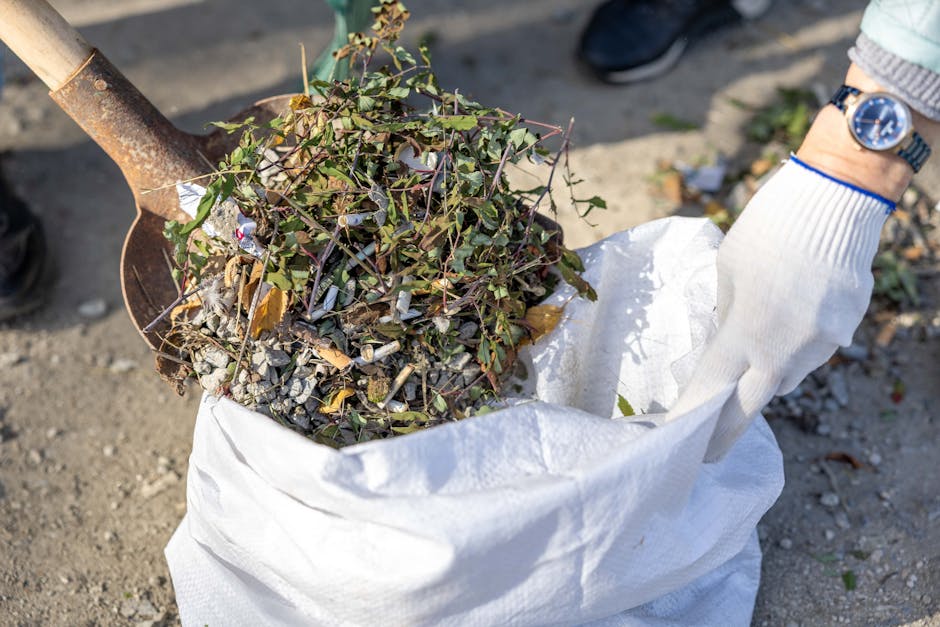
Emergency garden clearance Colney Hatch gardeners urgent response
If your garden has gone from "a bit untidy" to "this needs sorting today", you are not overreacting. Fallen branches, waist-high weeds, storm debris, broken fencing, dumped waste, or an overgrown front and back garden can quickly become a safety issue, a neighbour complaint, or simply a problem you can't live with another week. That is where Emergency garden clearance Colney Hatch gardeners urgent response comes in: a fast, practical service for clearing hazards, restoring access, and getting the space back under control without fuss.
This guide explains what urgent garden clearance actually involves, when it makes sense, what a professional team should do, and how to judge whether a job needs immediate attention. We'll also cover costs, common mistakes, safety considerations, and a realistic step-by-step process so you know what to expect. No fluff, just the stuff that helps when time is tight.
Table of Contents
- Why Emergency garden clearance Colney Hatch gardeners urgent response Matters
- How Emergency garden clearance Colney Hatch gardeners urgent response Works
- Key Benefits and Practical Advantages
- Who This Is For and When It Makes Sense
- Step-by-Step Guidance
- Expert Tips for Better Results
- Common Mistakes to Avoid
- Tools, Resources and Recommendations
- Law, Compliance, Standards, or Best Practice
- Options, Methods, or Comparison Table
- Case Study or Real-World Example
- Practical Checklist
- Conclusion
- Frequently Asked Questions
Why Emergency garden clearance Colney Hatch gardeners urgent response Matters
Garden problems rarely stay small for long. A branch across a path, a collapsed shed panel, or a patch of overgrowth around a side gate can create an immediate hazard. In a busy place like Colney Hatch, where homes are often close together and access can be tight, delays can mean blocked entry points, frustrated neighbours, and added risk for children, pets, or visitors.
Urgent clearance matters because it deals with the part of the problem that cannot wait. That might be the visible mess, but it could also be hidden issues underneath: slippery moss, unstable piles of waste, or sharp debris mixed into the soil. The real value is not just tidiness. It is restoring safe use of the space quickly.
There is also a practical side that people overlook. If a garden is badly overgrown, bins may not move easily, tradespeople may struggle to access rear entrances, and storm damage can worsen fast if it is left sitting. To be fair, sometimes the hardest part is simply getting started. Once a team is on site and the first load is removed, the job begins to feel manageable again.
Expert summary: emergency garden clearance is less about "making it look nice" and more about removing immediate hazards, reopening access, and preventing a small problem from turning into a bigger one.
For many property owners, the next sensible step is to pair urgent clearance with longer-term care. If the same garden keeps getting out of hand, a follow-up plan through regular garden maintenance can stop the cycle from repeating. And if you are dealing with a broader outdoor reset rather than just one urgent issue, general gardening services can help shape the next stage after the clearance.
How Emergency garden clearance Colney Hatch gardeners urgent response Works
Although every property is different, a proper urgent clearance usually follows a simple pattern: assess, prioritise, clear, remove, and make safe. The exact order matters because an emergency job is not just about working quickly. It is about working sensibly under pressure.
First, the team will usually ask what has happened and what the immediate risk is. Is there a fallen tree limb? Is access blocked? Is there a suspected pest problem in the waste? Is the issue in the front garden, rear garden, or side passage? That first conversation helps decide how many people are needed and what equipment should arrive.
Next comes a quick on-site assessment. A good team looks for trip hazards, unstable materials, tangled growth, broken glass, thorny plants, waterlogged ground, and any signs that tree work or fence repairs may be needed before clearance can begin properly. Sometimes the visible problem is only half the story. You might think it is "just weeds", but then the team finds a collapsed border, old rubble, or hidden waste underneath.
After that, the job is split into priorities. Safe access comes first. Dangerous waste and large debris come second. Fine tidy-up work comes after the heavy lifting. If needed, a team may also coordinate related tasks such as tree surgery or tree lopping and removal where branches or damaged trees are part of the risk. If boundary issues or exposed broken panels are involved, fencing services can sometimes be relevant as a follow-on step.
Finally, the waste is loaded, separated where practical, and removed for proper disposal or recycling. A tidy finish is important, but so is leaving the site safe to walk through. Nobody wants to step out the back door and find one last rogue stump hiding in the grass. Happens more often than you'd think.
Key Benefits and Practical Advantages
The most obvious benefit is speed. When a garden is urgent, waiting days or weeks is often unrealistic. Fast clearance means you can use the property properly again, keep pathways open, and reduce stress straight away.
There are also several practical advantages that matter in day-to-day life:
- Safer movement around the property for residents, guests, and workers.
- Better access to bins, gates, sheds, patios, and rear entrances.
- Less risk of damage from falling branches, trapped moisture, or pests sheltering in dense waste.
- Cleaner presentation if you are preparing a property for letting, sale, or inspection.
- Lower emotional load when the garden feels overwhelming and you need someone else to take over.
There is a less obvious benefit too: urgent clearance often reveals what the real next task should be. Once the clutter is gone, you can see whether the lawn needs work, the patio needs cleaning, or the beds need reshaping. That clearer view makes better decisions. It sounds simple, but it saves a lot of guesswork.
If the garden needs a deeper refresh after the emergency stage, options such as patio cleaning, lawn care, or lawn mowing can bring the space back to a usable state without doing everything at once.
Who This Is For and When It Makes Sense
This service is for people who need action now, not eventually. That could be a homeowner dealing with storm debris, a landlord preparing for new tenants, an estate manager trying to restore access, or a family who simply cannot safely use the garden as it stands.
It makes sense when one or more of these are true:
- There is a trip hazard, blocked gate, or obstructed path.
- Fallen branches, damaged shrubs, or unstable growth are creating risk.
- The garden has become too overgrown to inspect properly.
- There is rubbish, green waste, or mixed debris left after an incident.
- A deadline is looming, such as a move-out, rental check, or event.
- You need the area cleared before another contractor can start work.
It also makes sense if the problem is turning emotional. That may sound a bit soft, but it is real. A garden that feels beyond control can be draining. You look out of the window, see the same mess every morning, and the whole thing just hangs over you. Getting urgent help can break that loop quickly.
Not every untidy garden is an emergency, though. If the issue is mostly cosmetic and there is no safety concern, a scheduled visit may be the better choice. A professional should be honest about that. Urgent response is for situations where delay genuinely adds risk, stress, or inconvenience.
Step-by-Step Guidance
Here is the simplest way to approach an emergency garden clearance without making the day harder than it needs to be.
- Identify the immediate danger. Look for blocked access, unstable debris, sharp edges, broken glass, low branches, or anything that could injure someone.
- Take a few clear photos. A quick set of pictures helps explain the situation accurately. Keep them broad and close-up if possible.
- Keep people and pets away from the hazard. If a branch is hanging low or a pile is unstable, do not try to shift it casually.
- Describe the access. Mention whether a van can park nearby, whether the garden is reached through the house, or whether a side passage is narrow.
- Confirm what must be removed. Be specific about branches, weeds, rubble, general green waste, or old garden furniture.
- Ask how waste will be handled. This matters for mixed loads and anything that may need separating.
- Agree the priority order. The quickest jobs usually start with the highest-risk items first.
- Check the site once cleared. Make sure access is restored, hazards are gone, and no debris remains tucked out of sight.
If you want the job to run smoothly, keep the briefing short but complete. What is the issue? What is urgent? What access is available? That alone can save a lot of back-and-forth. And yes, it really does help to be ready for the odd awkward bit, like a wheelie bin trapped behind three stubborn hydrangeas. Gardening has a way of laughing at tidy plans.
Expert Tips for Better Results
From a practical point of view, the best emergency clearances are the ones where the team can work without guesswork. The more useful information you give at the start, the better the result tends to be.
Tip 1: Separate "urgent" from "ideal". If you need the access path made safe today, say that clearly. If you also want a full reshaping of the beds, make it clear that this can happen later. That stops the scope from becoming muddled.
Tip 2: Be realistic about access. Narrow paths, stairs, locked side gates, shared alleyways, and awkward corners all affect how fast a clearance can be done. A good crew can work around these things, but they need to know early.
Tip 3: Expect some follow-up work. Emergency clearance often solves the immediate issue, not every underlying problem. If a hedge is blocking light or spilling into a path, hedge trimming may be the next sensible job after the urgent removal.
Tip 4: Ask for the garden to be left usable, not merely empty. There is a difference. A usable garden has safe access and no hidden trip hazards. That is the aim.
Tip 5: Plan one small maintenance step afterwards. Even a modest follow-up, like mowing or a light tidy, can stop the space sliding straight back into chaos. Little and often tends to win, as boring as that sounds.
It is also worth choosing a team that understands outdoor surfaces and surrounding features. If a clearance sits next to decking, for example, a careful finish matters because rough dragging can scratch boards or disturb fixings. In those cases, the broader decking services page is useful for understanding what may need attention once the area is clear.
Common Mistakes to Avoid
Urgent jobs create pressure, and pressure makes people cut corners. That is normal, but a few mistakes can make the situation worse.
- Trying to clear dangerous material yourself. Heavy branches, broken glass, and unstable piles can injure you fast.
- Only describing the visible part of the mess. Hidden waste or blocked access can change the whole job.
- Assuming all clearance is the same. Green waste, mixed waste, and storm debris are not identical jobs.
- Leaving the problem to "dry out a bit". Wet organic waste often gets heavier, smellier, and harder to manage.
- Ignoring related issues. A fallen branch may point to a tree problem, not just a mess on the lawn.
- Not checking what happens after the clearance. If the next stage is important, line it up while the site is still open and easy to work on.
One mistake people make surprisingly often is underestimating how quickly a garden can rebound after a clear-out if it is not followed by maintenance. A fresh-looking space in the morning can look very different after a fortnight of rain and a few warm days. Nature is efficient like that. A bit annoying, but efficient.
Tools, Resources and Recommendations
For an urgent garden clearance, the right equipment depends on the job type, but a professional team will usually bring a mix of cutting tools, loading gear, protective equipment, and waste transport capacity. The point is not to throw every tool at the problem. It is to use the right one at the right stage.
Typical items might include:
- Secateurs and loppers for smaller growth
- Heavy-duty cutters or saws for thick branches
- Gloves, eye protection, and sturdy footwear
- Wheelbarrows, sacks, and load-moving equipment
- Tarps or sheets to keep waste contained
- Rakes and brushes for final clearing
Helpful supporting services are worth thinking about too. If the garden surface itself has been left dirty or slippery after a clear-up, patio cleaning can improve safety and presentation. If the space needs a wider redesign after the urgent work, landscape gardening or landscaping may be the natural next stage.
For people comparing service levels, the most useful resources are not fancy brochures. They are the practical pages that explain scope, pricing, and standards. You can review pricing and quotes to understand how estimates are handled, and the insurance and safety information to see how risk is managed. If you want to understand the wider company approach, the about us page is a sensible place to start.
Law, Compliance, Standards, or Best Practice
Urgent garden clearance can involve waste handling, sharp materials, working at height in a limited sense, and sometimes tree-related hazards. That means safety and disposal practices matter. In the UK, the exact legal responsibilities depend on the situation, but a trustworthy garden service should always work carefully, avoid unsafe shortcuts, and handle waste in a responsible way.
Best practice generally includes:
- Using proper personal protective equipment
- Assessing hazards before cutting or lifting begins
- Separating reusable, recyclable, and general waste where practical
- Keeping access routes safe during the work
- Not disturbing unstable structures without a plan
- Stopping and escalating if tree or structural risks appear
It is also wise to check that the company has sensible policies in place. Health and safety should not be marketing talk; it should be visible in the way the work is managed. The same goes for health and safety policy, recycling and sustainability, and terms and conditions. These pages do not make the job happen, of course, but they do help you judge whether the service is run properly.
For urgent work, insurance matters too. If something unexpected happens on site, you want to know the team is covered and that the work is being done with care. That reassurance is worth a lot when you are already dealing with a messy day.
Options, Methods, or Comparison Table
Not every overgrown or damaged garden needs the same response. The best method depends on the size of the issue, the urgency, and what needs to happen afterwards.
| Approach | Best for | Strengths | Limitations |
|---|---|---|---|
| Emergency clearance only | Immediate hazards, blocked access, storm debris | Fastest way to make the garden safe again | May not solve the underlying cause |
| Clearance plus light tidy | Urgent mess with obvious follow-up work | Leaves the garden more usable straight away | Takes a little longer than clearance alone |
| Clearance plus maintenance plan | Recurring overgrowth or repeated neglect | Prevents the problem returning quickly | Needs a longer-term commitment |
| Clearance plus tree work | Broken branches, unsafe limbs, damaged trees | Addresses root cause as well as surface mess | Requires more specialist assessment |
In practice, many jobs start as emergency clearance and then grow into a slightly broader solution once the site is visible again. That is often the smartest route. Clear the danger first. Then decide what the garden really needs next. Nice and simple, which is rare enough on a Tuesday morning.
Case Study or Real-World Example
Picture a back garden in Colney Hatch after a blustery night. A large branch has come down across the lawn, smaller twigs are spread over the path, and the side gate barely opens because climbing plants and broken debris are pressed against it. The household still needs access to the bins, and someone is due to visit later in the day. Not ideal.
The first priority is not beauty. It is access and safety. The team would remove loose debris from the main path, cut the branch into manageable sections, and clear the gate area so it can open fully. Once that is done, they can deal with the smaller material, check for hidden damage, and decide whether the fallen branch has exposed a tree issue that needs further attention.
After the site is made safe, the garden suddenly feels different. You can walk through it without hesitation. The bins move properly. The light comes back in. That is the moment people usually breathe out a bit. No drama. Just relief.
In a case like this, the most useful next step might be a follow-up visit for garden clearance if the job widened beyond the emergency, or lawn mowing if the grass has been flattened and needs a clean reset once the debris is gone.
Practical Checklist
Use this checklist if you are about to request urgent help or want to prepare the site before a team arrives.
- Identify the hazard clearly
- Take photos from a safe distance
- Keep children and pets away from the area
- Make sure access gates or side paths can be opened
- Note any broken glass, nails, sharp metal, or unstable objects
- Explain whether the issue is in the front, back, or side garden
- Tell the team if tree branches, fencing, or patio surfaces are involved
- Remove small personal items if they might get in the way
- Ask how waste will be handled
- Confirm whether the job needs a same-day or next-day response
- Plan any follow-up maintenance while the garden is still accessible
Quick decision rule: if you would not comfortably let someone walk through the space barefoot, it probably needs attention sooner rather than later. Simple, but useful.
Conclusion
Emergency garden clearance is about restoring control when outdoor space has become unsafe, blocked, or simply too much to manage alone. In Colney Hatch, where access can be tight and gardens often sit close to neighbouring properties, a fast and careful response can make a real difference. It gets the hazard out, the access open, and the pressure off your shoulders.
The best urgent response is calm, practical, and clear about priorities. Sort the danger first. Then decide whether the garden needs maintenance, tree work, fencing repair, patio cleaning, or a longer-term plan to stop the mess returning. That way, you are not just clearing a problem - you are actually moving past it.
Get a free quote today and see how much you can save.
If you are dealing with an outdoor mess right now, take a breath and deal with the immediate risk first. The rest can be handled step by step, and often faster than it feels in the moment. Gardens do come back. They really do.
Frequently Asked Questions
What counts as an emergency garden clearance?
An emergency garden clearance usually means there is an immediate safety issue, blocked access, storm damage, heavy debris, or another problem that cannot wait for a routine appointment.
How fast can urgent garden clearance happen in Colney Hatch?
That depends on workload, access, and the size of the job. A same-day or next-day response may be possible for straightforward cases, but larger or riskier jobs often need a short assessment first.
Do I need to be at the property during the clearance?
Often yes, at least at the start, so the team can confirm the hazard, access, and priorities. In some cases, arrangements can be made if access and instructions are clear in advance.
Can emergency clearance include tree branches or fallen limbs?
Yes, if branches or limbs are part of the urgent issue. If the tree itself looks unstable, specialist tree work may be needed alongside the clearance.
Is emergency clearance only for huge messes?
No. A small but dangerous issue, such as a blocked gate, broken debris, or a low branch over a path, can be urgent if it creates real risk or access problems.
Will the waste be removed from site?
In most professional clearances, yes. Waste should be taken away and handled responsibly, rather than piled up somewhere else on the property.
What should I do before the gardeners arrive?
Keep people and pets away from the hazard, take a few photos, and make sure the team knows where to enter. If possible, remove any small personal items that might get in the way.
How is emergency garden clearance different from regular garden maintenance?
Emergency clearance focuses on immediate risks and access problems. Regular maintenance is planned, ongoing work that keeps the garden in good shape over time.
Can urgent clearance help before I move out or sell a property?
Yes. If the garden is affecting access, first impressions, or inspection readiness, a fast clearance can be a very practical fix before a deadline.
What if the garden also needs fencing or patio repairs?
It is common for urgent clearance to reveal other jobs. Broken panels, unstable edges, or dirty paving may need follow-up work once the site is clear and safe.
How do I know whether I need a clearance or a full landscaping job?
If the main issue is hazard removal and access, clearance is the right first step. If you want to redesign the layout, improve structure, or rebuild the space, landscaping may be the better next stage.
Is it worth asking about insurance and safety before booking?
Absolutely. For urgent work, you want reassurance that the team works safely and has proper cover. It is a sensible question, not a picky one.